Understand Stress

Practical ways to reduce stress quickly and effectively

Manage Effectively

How stress impacts your body, sleep, and productivity

Build Resilience

Long-term techniques to build emotional resilience

Time Management for Stress

Time Management Strategies to Reduce Stress Why Time Management Matters Many people believe stress comes from having too much to do. In reality, stress often comes from feeling overwhelmed, disorganized, or unsure where to start. When tasks pile up, deadlines approach, and responsibilities compete for attention, stress levels naturally increase. Good time management will help…

Digital Detox: Reduce Stress from Screen Time

Digital Detox: Reduce Stress from Screen Time Technology has transformed the way we work, communicate, and entertain ourselves. While digital devices offer many benefits, excessive screen time can contribute to stress, anxiety, poor sleep, and mental fatigue. Many people check their phones back and forth each day without noticing the amount of mental energy they…

The Link Between Stress and Insomnia

The Link Between Stress and Sleep Problems Have you ever felt exhausted but struggled to fall asleep because your mind wouldn’t stop racing? You’re not alone. Stress and sleep are closely connected. In fact, poor sleep can increase stress levels, while chronic stress can make it difficult to get quality sleep. This creates a cycle…

How to Build a Stress-Free Morning Routine

How to Build a Stress-Free Morning Routine Start your day with calm, clarity, and purpose by creating simple morning habits that support mental well-being. The way you begin your morning can shape the rest of your day. A rushed and chaotic start often increases stress, lowers focus, and leaves you feeling overwhelmed before you even…

Meditation for Stress: Beginner’s Guide

Meditation for Stress: A Beginner’s Guide Stress is a natural part of life, but when it becomes constant, it can affect your mental and physical health. Meditation is one of the simplest and most effective ways to help calm the mind in no time, reduce anxiety, and improve emotional balance. The best part? You don’t…

The Best Relaxation Techniques for Anxiety

The Best Relaxation Techniques for Anxiety Anxiety can make everyday life feel overwhelming. Racing thoughts, tension, difficulty concentrating, and constant worry can affect both mental and physical health. While occasional anxiety is normal, chronic stress and anxiety can negatively impact sleep, energy levels, and emotional balance. The good news is that simple relaxation techniques can…

How to Create a Personalized Stress Management Plan

How to Create a Personalized Stress Management Plan Do you know Stress affects everyone differently? Yes, what causes stress for one person may not affect another the same way. That’s why creating a personalized stress management plan is one of the most effective ways to build emotional resilience and improve overall well-being. A customized plan…

How to Calm Your Mind in 5 Minutes

How to Calm Your Mind in 5 Minutes Modern life can feel overwhelming. Work pressure, endless notifications, responsibilities, and constant thinking can quickly create stress and mental exhaustion. When your mind feels overloaded, even a few minutes of calm can make a huge difference. The good news is that calming your mind doesn’t always require…

10 Proven Techniques for Managing Daily Stress
10 Proven Techniques for Managing Daily Stress Simpe, effective strategies you can use every day to reduce stress, improve mental clarity and support your overall well-being. Why Managing Daily Stress Matters When stress becomes a regular part of life, your body produces higher levels of cortisol, the primary stress hormone. Long-term elevated cortisol level may…

Breathing Exercises for Instant Stress Relief
Breathing Exercises for Instant Stress Relief Simple breathing techniques can help calm your mind, relax your body, and reduce stress within minutes. Stress can build up quickly during a busy day, leaving you feeling tense, overwhelmed, or mentally exhausted. One of the fastest and most effective ways to calm the body naturally is through controlled…

Signs of Chronic Stress and How to Recover
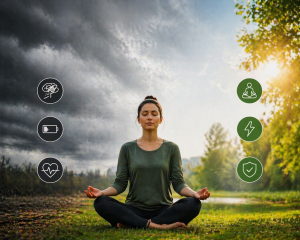
Signs of Chronic Stress and How to Recover Stress is a normal part of life, but when it becomes constant, it can slowly affect your mind, body, and overall health. Chronic stress happens when your body stays in a prolonged state of tension without enough time to recover. Signs of Chronic Stress Chronic Stress shows…

How to Reduce Stress Naturally (7 Proven Ways)

How to Reduce Stress Naturally 7 Proven Ways That Actually Work Stress is a natural part of life but when it becomes constant, it can affect your mental clarity, physical health, and overall well-being. Chronic stress has been linked to fatigue, anxiety, poor sleep, and long-term health conditions, according to the American Psychological Association. The…

Explore Subtopics

Anxiety & Sress Relief

Articles (10)

Workplace Stress

Articles

Sleep &
Stress

Articles

Mindfulness & Relaxation

Articles

Burnout Prevention

Articles

Latest Article

Chronic stress can increase the risk of anxiety, fatigue, and physical health issues. Learning how to manage stress isn’t just helpful—it’s essential for long-term wellness.
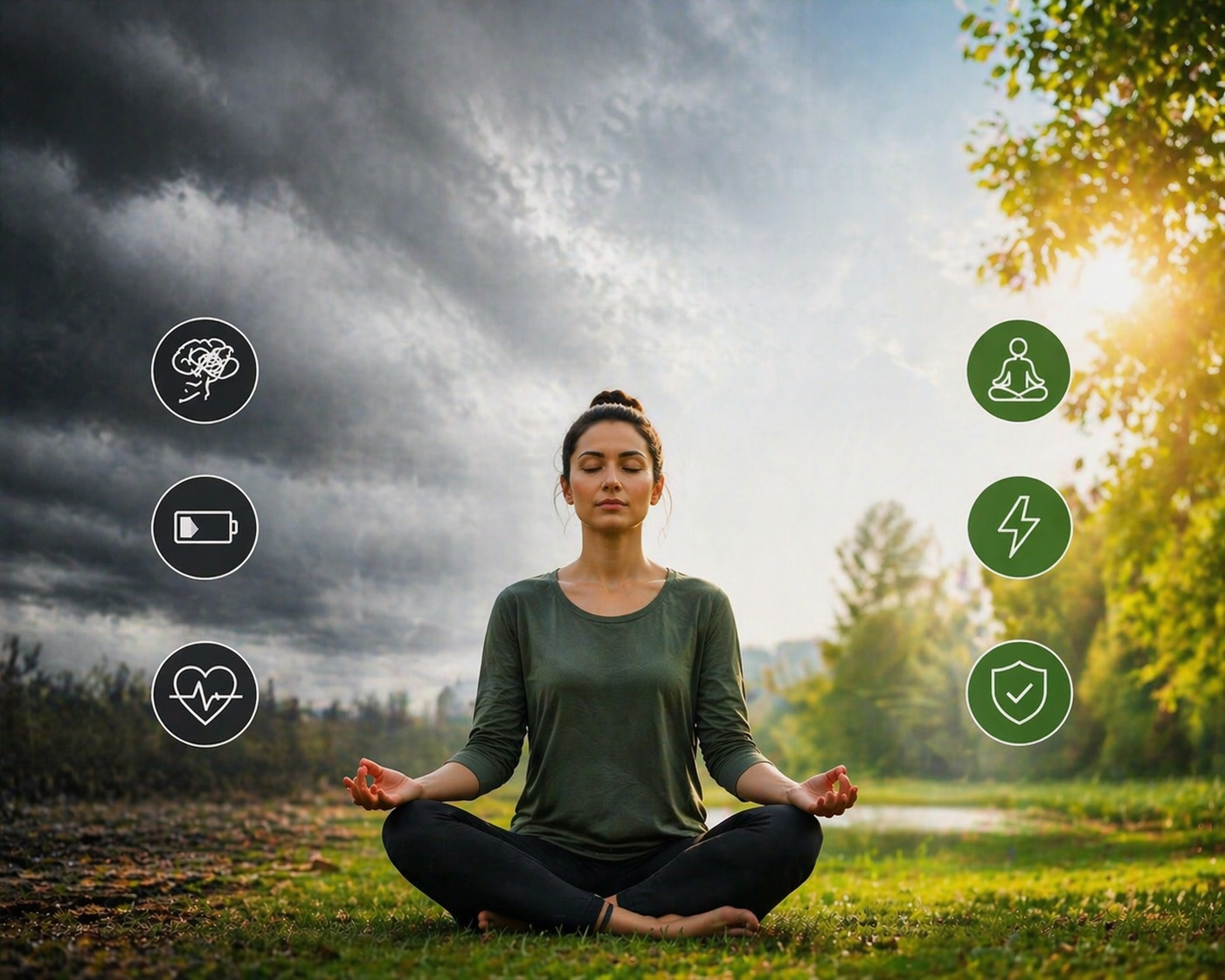
Image Apr 21 2026 03 40 32 PM

FAQs

Effective stress management usually combines a few habits rather than one single fix:
Mindfulness & meditation – even 5–10 minutes daily can calm your nervous system
Regular physical activity – walking, stretching, or workouts
Good sleep hygiene – consistent sleep schedule, less screen time before bed
Time management – break tasks into smaller steps to avoid overwhelm
Healthy diet – reduce caffeine/sugar spikes, stay hydrated
Social support – talk to friends, family, or a trusted person
Relaxation techniques – deep breathing, journaling, or listening to music
The key is consistency, not intensity.

Chronic stress doesn’t just stay in your mind—it impacts your whole body:
Heart: increased risk of high blood pressure and heart disease
Immune system: weaker defense → more frequent illness
Digestive system: stomach pain, bloating, or issues like IBS
Muscles: tension, headaches, and body aches
Hormones: increased cortisol → fatigue, weight gain, poor sleep
Long-term stress can quietly wear your body down if unmanaged.

Yes—this is one of the most proven methods.
Exercise helps by:
Releasing endorphins (natural mood boosters)
Lowering stress hormones like cortisol
Improving sleep quality
Giving your mind a break from worries
You don’t need intense workouts:
A 20–30 minute walk
Light jogging
Yoga or stretching
All of these can significantly reduce stress levels.

You should consider help if stress starts affecting your daily life:

  • You feel overwhelmed most of the time
  • Stress is causing sleep problems or constant fatigue
  • You notice anxiety, panic attacks, or depression symptoms
  • It affects your work, relationships, or health
  • You’re using unhealthy coping (alcohol, isolation, etc.)

A therapist, counselor, or doctor can help you build better coping strategies—this is a strong step, not a last resort.