How to Reduce Stress Naturally
7 Proven Ways That Actually Work
Stress is a natural part of life but when it becomes constant, it can affect your mental clarity, physical health, and overall well-being. Chronic stress has been linked to fatigue, anxiety, poor sleep, and long-term health conditions, according to the American Psychological Association. The good news is, there are simple, natural ways to reduce stress that are both effective and sustainable.
Why Stress Management Matters
When stress becomes chronic, your body stays in a constant “fight or flight” state. This leads to: Increased cortisol (stress hormone), Weakened immune system, Poor sleep quality, Headaches and muscle tension. Research from Mayo Clinic shows that long-term stress can increase the risk of heart disease, digestive problems, and anxiety disorders. Learning how to manage stress isn’t optional—it’s essential for long-term wellness. You can look up for some proven daily stress techniques that works after going through these 7 proven natural ways.
7 Proven Ways to Reduce Stress Naturally

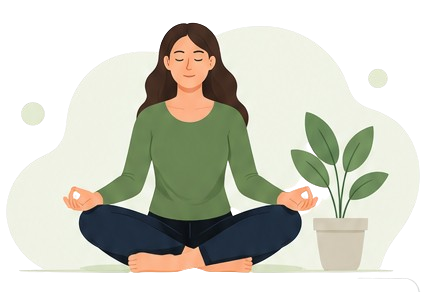
Practice Deep Breathing and Mindfulness
Deep breathing slows your heart rate, reduces cortisol levels, activates your relaxation response
Try this:
Inhale for 4 seconds → hold for 4 → exhale for 6. Repeat for 5 minutes.
1
Get Regular Physical Activity
Exercise is one of the most powerful stress relievers.
20-min-walk
Yoga/Stretching
Light Jogging

2
Improve Your Sleep Routine
Poor sleep increases stress and stress makes sleep worse.
The Sleep Foundation notes that lack of sleep can elevate stress levels and negatively affect emotional regulation.
Fix your sleep habits:
Go to bed at the same time daily → Avoid screens 1 hour before bed → Keep your room cool and dark
3
Eat a Balanced, Stress-Reducing Diet
What you eat directly affects how you feel.
What to Avoid
*Excess caffeine
*Sugar spikes
*Highly processed food
4
Stay Connected with Others
Isolation increases stress. Connection reduces it.
The Centers for Disease Control and Prevention highlights that social connection improves mental health and reduces stress-related symptoms.
Talking to someone you trust can, release emotional tension, Provide perspective, and Improve resilience
5
Manage Your Time Effectively
Feeling overwhelmed often comes from poor time management.
The Mind suggests that organizing tasks and setting priorities can significantly reduce stress levels.
6
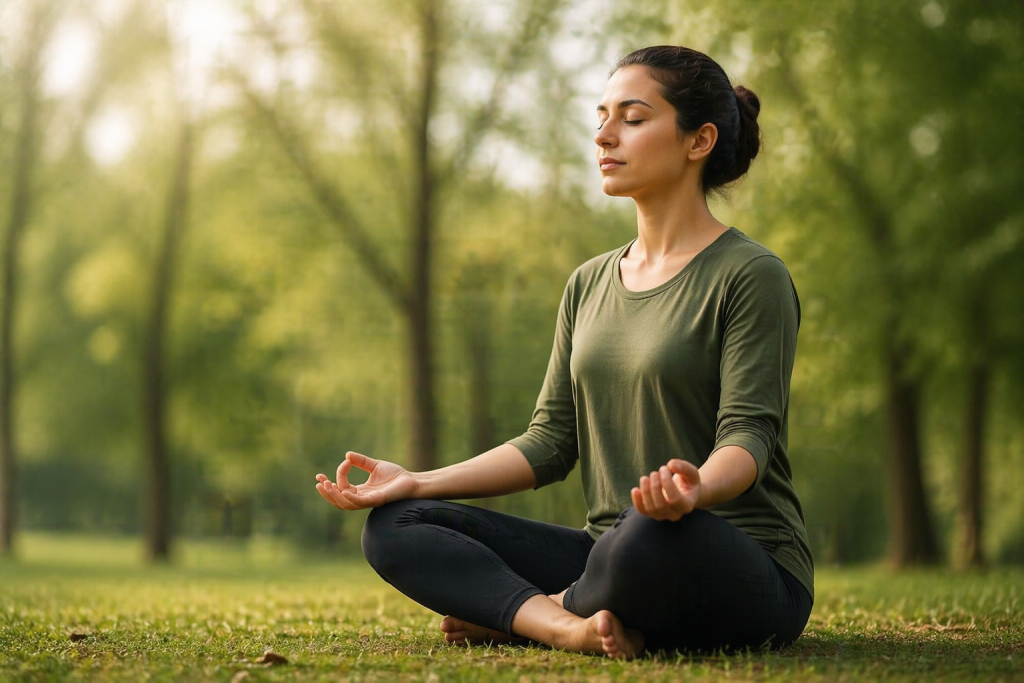
Spend Time in Nature
Nature has a calming effect on the mind and body.
Lowers stress hormones
Improves
mood
Increaces
focus
5

Quick Ways to reduce stress instantly
Deep breathing
for 2-5
Take a short walk
Listen to calming music
Step away from the situation
Final Thoughts
Stress is unavoidable—but staying overwhelmed doesn’t have to be. By building simple daily habits like movement, mindfulness, proper sleep, and healthy nutrition, you can take control of your stress and improve your overall well-being. Always get in touch with a health professional when you experience any warning signs of chronic stress
Start small. Stay consistent. Your mind and body will thank you.
FAQs
📚References
- American Psychological Association – Stress effects and management
- Mayo Clinic – Stress symptoms and health risks
- Harvard Health Publishing – Exercise and stress relief
- Cleveland Clinic – Breathing and relaxation response
- National Institute of Mental Health – Mental health and stress
- Sleep Foundation – Sleep and stress connection
- Centers for Disease Control and Prevention – Social connection and health
- National Institutes of Health – Nature and stress reduction
- Mind – Stress management strategies