Signs of Chronic Stress
Chronic Stress shows up in many ways. Here are common signs to look out for.
Constant Fatigue
Feeling tired even after sleeping can be a sign your body is overwhelmed. Chronic stress keeps your nervous system active, making it difficult to fully recharge.
You may notice:
-Low energy throughout the day
-Difficulty concentrating
-Feeling mentally drained
1
Trouble Sleeping
Stress often disrupts healthy sleep patterns. Some people struggle to fall asleep, while others wake up frequently during the night.
Common sleep issues include:
-Insomnia
-Restless sleep
-Waking up feeling exhausted
2
Frequent Headaches and Muscle Tension
Stress causes the body to stay tense for long periods, which may lead to:
-Headaches
-Neck pain
-Shoulder tightness
-Back discomfort
3
Anxiety or Irritability
Chronic stress can affect emotional balance and make everyday situations feel overwhelming.
Emotional symptoms may include:
-Mood swings
-Increased frustration
-Feeling anxious or nervous
-Difficulty relaxing
4
Digestive Problems
The gut and brain are closely connected. Long-term stress may contribute to:
-Stomach discomfort
-Bloating
-Appetite changes
-Digestive irregularities
5
Weakened Immune System
People experiencing chronic stress may get sick more often because stress can reduce the body’s ability to fight infections.
6
How to Recover From Chronic Stress
Recovery takes time, consistency, and healthy lifestyle adjustments. Small daily improvements can make a big difference. Find the perfect 7 settings below to recover naturally from stress.
🧘Practice Mindfulness and Deep Breathing
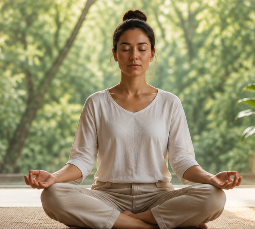
Mindfulness helps calm the nervous system and reduce mental overload.
- Meditation
- Deep breathing exercises
- Spending quiet time without screens
Even 10 minutes daily can help improve focus and relaxation.
1
🚶Stay Physically Active
Exercise is one of the most effective natural stress relievers. Helpful activities include:
- Walking
- Yoga
- Stretching
- Cycling
- Light workouts
Physical activity helps release endorphins, which naturally improve mood and reduce stress hormones.
2
🥗Improve Your Nutrition
What you eat can influence how your body handles stress. Focus on:
- Whole foods
- Fruits and vegetables
- Lean proteins
- Drinking enough water
Try to limit excessive caffeine, processed foods, and sugar.
3
😴 Prioritize Quality Sleep
What you eat can influence how your body handles stress. Focus on:
- Whole foods
- Fruits and vegetables
- Lean proteins
- Drinking enough water
Try to limit excessive caffeine, processed foods, and sugar.
4
💬 Talk to Someone You Trust
What you eat can influence how your body handles stress. Focus on:
- Support from friends, family, or a mental health professional can help reduce emotional pressure and provide guidance during stressful periods.
5
🌿 Spend Time in Nature
Fresh air and natural environments can help calm the mind and improve mood.
- Walking outdoors
- Gardening
- Sitting in a quiet park
Can support emotional recovery.
6
Take breaks and set Boundaries
Give yourself permission to reset and say no unnessary pressure.
- Short breaks throughout the day can reset your mind and improve focus.
7
Consider speaking with a healthcare professional if:
- Stress feels unmanageable
- Symptoms continue for weeks or months
- You experience panic attacks or severe anxiety
- Stress affects work, relationships, or daily life
Seeking help early can prevent stress from becoming more serious.
FAQs
Final Thoughts
Chronic stress can affect nearly every part of your life, but recognizing the signs early is an important first step toward recovery. By focusing on healthy habits, rest, movement, and emotional support, you can gradually reduce stress and improve your overall well-being with a long-term stress management plan to follow. Small consistent changes often lead to the biggest long-term results.